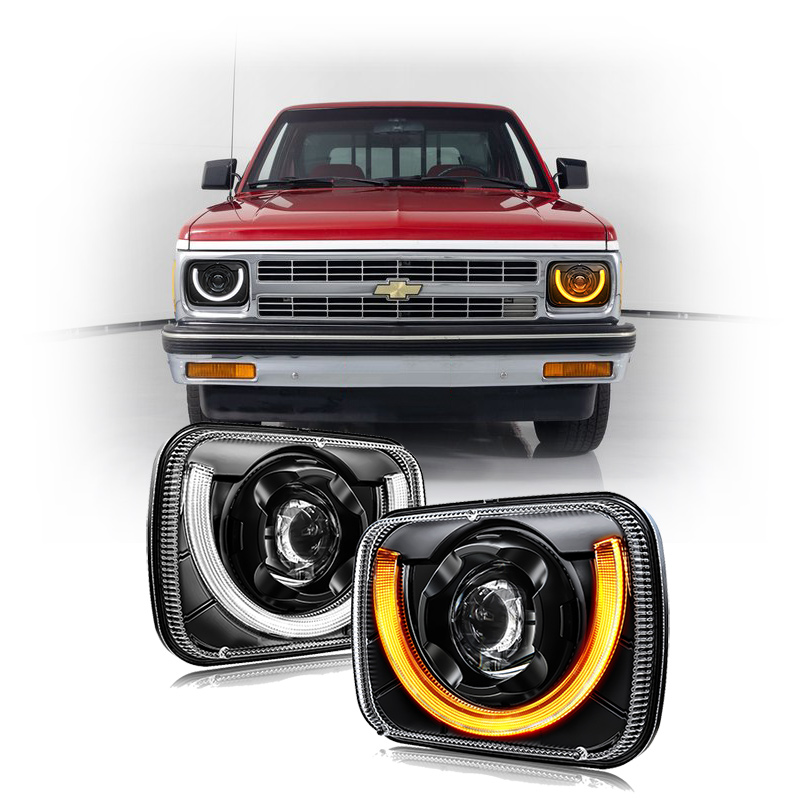
Adding an off-road light bar to a Chevy S10 can dramatically improve visibility when driving on trails, dirt roads, and other poorly lit terrain. The S10 has long been popular among truck enthusiasts because of its relatively compact size, simple design, and potential for customization. When choosing auxiliary lighting, however, one important decision is where to mount the light bar. Roof-mounted and bumper-mounted light bars each have advantages, and the better option depends on the type of trails you drive, the terrain you encounter, and how you use your truck.
Roof-Mounted Light Bars
A roof-mounted light bar provides an elevated lighting position that can be particularly useful on dark trails. Because the lights sit higher than the hood and front bumper, their beams can project farther down the trail and provide a broader view of the surrounding terrain. The increased height can also reduce shadows created by obstacles immediately in front of the truck.
For open trails, desert roads, and wide dirt paths, a roof-mounted light bar can provide excellent forward visibility. The elevated position allows the light to travel over small rises and uneven sections of terrain, helping the driver identify upcoming rocks, turns, and changes in elevation.
There are some drawbacks, though. A roof-mounted bar can increase wind noise and may slightly affect the truck’s aerodynamic performance. It also adds height, which matters when driving underneath low branches or entering garages and other areas with limited clearance. The mounting brackets must be strong enough to withstand vibration, especially when the S10 is driven over rough trails.
Bumper-Mounted Light Bars
Bumper mounting offers a lower and generally more discreet alternative. A light bar positioned on the front bumper produces strong illumination closer to ground level, making it useful for identifying rocks, ruts, holes, and other obstacles directly in front of the truck. This can be especially helpful on technical trails where precise placement of the front wheels matters.
A bumper-mounted light bar also tends to be easier to access for cleaning, maintenance, and adjustment. Since it does not add significant height to the truck, there is less concern about clearance around low branches or overhead obstacles.
However, the lower position means the light can be blocked more easily by terrain. A steep hill, tall grass, or large obstacle may limit how far the beam reaches. The lights are also closer to mud, water, rocks, and trail debris, so choosing durable, weather-resistant equipment and protecting the wiring is particularly important.
Consider the Headlight Setup
The Chevy S10 factory headlight system should remain an important part of any auxiliary-lighting upgrade. Off-road light bars are designed to supplement the headlights, not replace them. A properly aimed headlight system provides the normal road illumination needed for everyday driving, while the auxiliary bar can add additional distance and width when conditions require it. The light bar should be wired and switched independently where appropriate, and drivers should avoid using high-powered auxiliary lighting in situations where it could blind other motorists. Before modifying the electrical system, verify the correct wiring for the specific S10 model year and use appropriate fusing and connectors.
Which Mounting Position Is Better?
The best mounting location depends largely on the type of off-road driving you do. A roof-mounted light bar is generally better for drivers who want maximum forward and peripheral illumination on open trails. Its elevated position can provide a wide field of view and help reveal terrain farther ahead.
A bumper-mounted bar may be preferable for technical off-roading, where close-range visibility is more important than maximum beam distance. It also gives the truck a lower-profile appearance and avoids adding equipment to the roof.
Some S10 owners may choose to combine both approaches, using a smaller bumper light bar for close-range illumination and a roof-mounted setup for long-distance visibility. This can create a versatile lighting arrangement, but it also increases electrical load and requires careful planning to avoid excessive glare.
Installation and Wiring Considerations
Regardless of the mounting location, installation quality is just as important as the light bar itself. Mounting brackets should be firmly secured, and all wiring should be protected from abrasion, moisture, heat, and moving components. Wires should be routed neatly and secured so they cannot become caught on branches or damaged by vibration.
A properly fused circuit is essential for protecting the truck’s electrical system. Using a dedicated switch also allows the driver to control the auxiliary lights without changing the normal operation of the factory lighting. After installation, inspect the system regularly for loose fasteners, damaged wires, moisture intrusion, or changes in light alignment.
For Chevy S10 owners who regularly explore dark trails, an off-road light bar can be one of the most useful lighting upgrades available. Roof mounting provides height, distance, and broad trail coverage, while bumper mounting emphasizes close-range terrain visibility and maintains a lower profile. Neither position is universally superior. The right choice depends on the terrain, driving style, clearance requirements, and desired appearance.
Whichever option you choose, prioritize a durable light bar, secure mounting, protected wiring, and proper beam alignment. With the right setup, an S10 can gain significantly better trail visibility while retaining the practical character that makes the compact truck such a popular platform for off-road modifications.